Destination Weddings
Interfaith
Two officiants, two ceremonies, one program that holds together. The hardest format to plan, and the most personal.
About Interfaith Weddings
What's Distinct
Interfaith weddings combine two ceremony traditions into one wedding program. There's no single playbook — every interfaith wedding is structurally bespoke. Officiant coordination, ceremony sequencing, family-protocol balancing, and dietary coverage across multiple traditions all have to be reconciled.
Key Events
Pre-Ceremony Briefings
Family meetings with both officiants — typically 2–3 weeks before the trip — to align on ceremony order, ritual elements, and any protocol concerns. Often virtual.
Ceremony 1
First religious or cultural ceremony — usually the more protocol-bound of the two (e.g., Anand Karaj, Catholic mass, Vedic Saat Phere). Held in the morning or early afternoon.
Ceremony 2
Second ceremony — religious or symbolic. Common patterns: Hindu Vedic + Catholic, Sikh Anand Karaj + symbolic, Muslim nikah + Hindu Saat Phere. Held later in the day or the next day.
Combined Reception
Single reception that brings both families together. Menu reflects both traditions; music program weaves both cultural sets; speeches honor both sides.
What DreamWed Handles
- ·Dual-officiant coordination — sourcing both, aligning on sequencing, briefing both on the resort venue
- ·Ceremony sequencing across the day or across two days
- ·Dual-menu planning — vegetarian Hindu + halal Muslim, vegetarian Hindu + standard Catholic, etc.
- ·Family protocol balancing — ensuring both sides feel represented in the program order
- ·Dual cultural decor where appropriate — Mandap for Hindu, sacrament setup for Catholic, both venues staged distinctly
- ·Music programming across both traditions — granthi/pundit/priest cues, dhol cues, secular reception cues
- ·Pre-trip family briefings to align expectations and avoid surprises on the day
Recommended Resorts
8 resorts that have hosted Interfaith weddings
These are the properties whose wedding-program teams have executed enough South Asian weddings that the protocols are familiar. Starting here saves you from doing protocol education on top of planning.
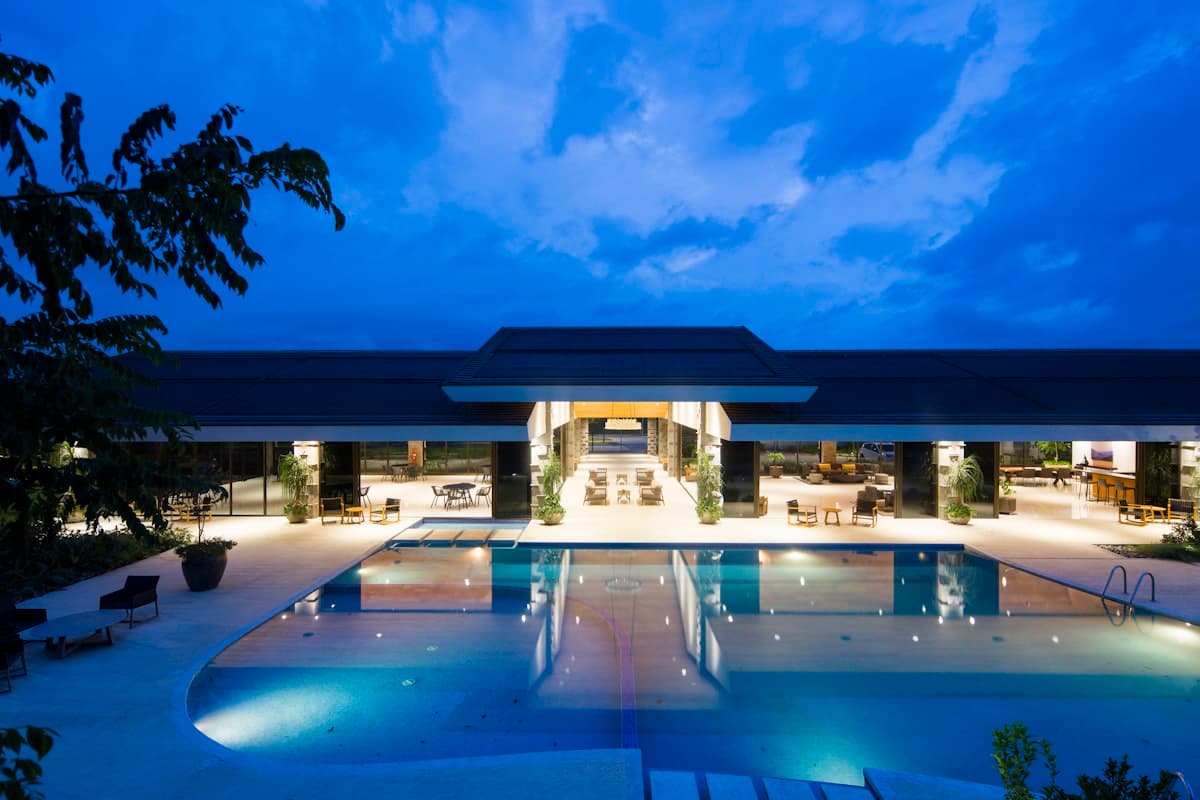
Palladium Hotel Group · 2–350 guests
Grand Palladium Costa Mujeres
A luxurious beachfront resort in Costa Mujeres featuring modern design, expansive grounds, and stunning Caribbean views for your dream wedding.
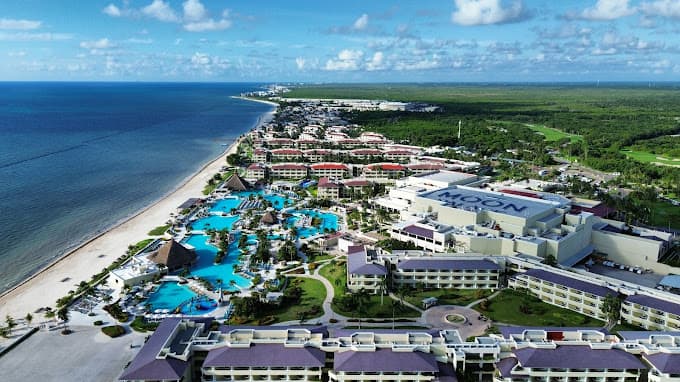
Palace Resorts · 2–300 guests
Moon Palace Cancun
One of Cancun's largest all-inclusive resorts offering extensive wedding venues, a Jack Nicklaus golf course, and multi-day celebration packages.
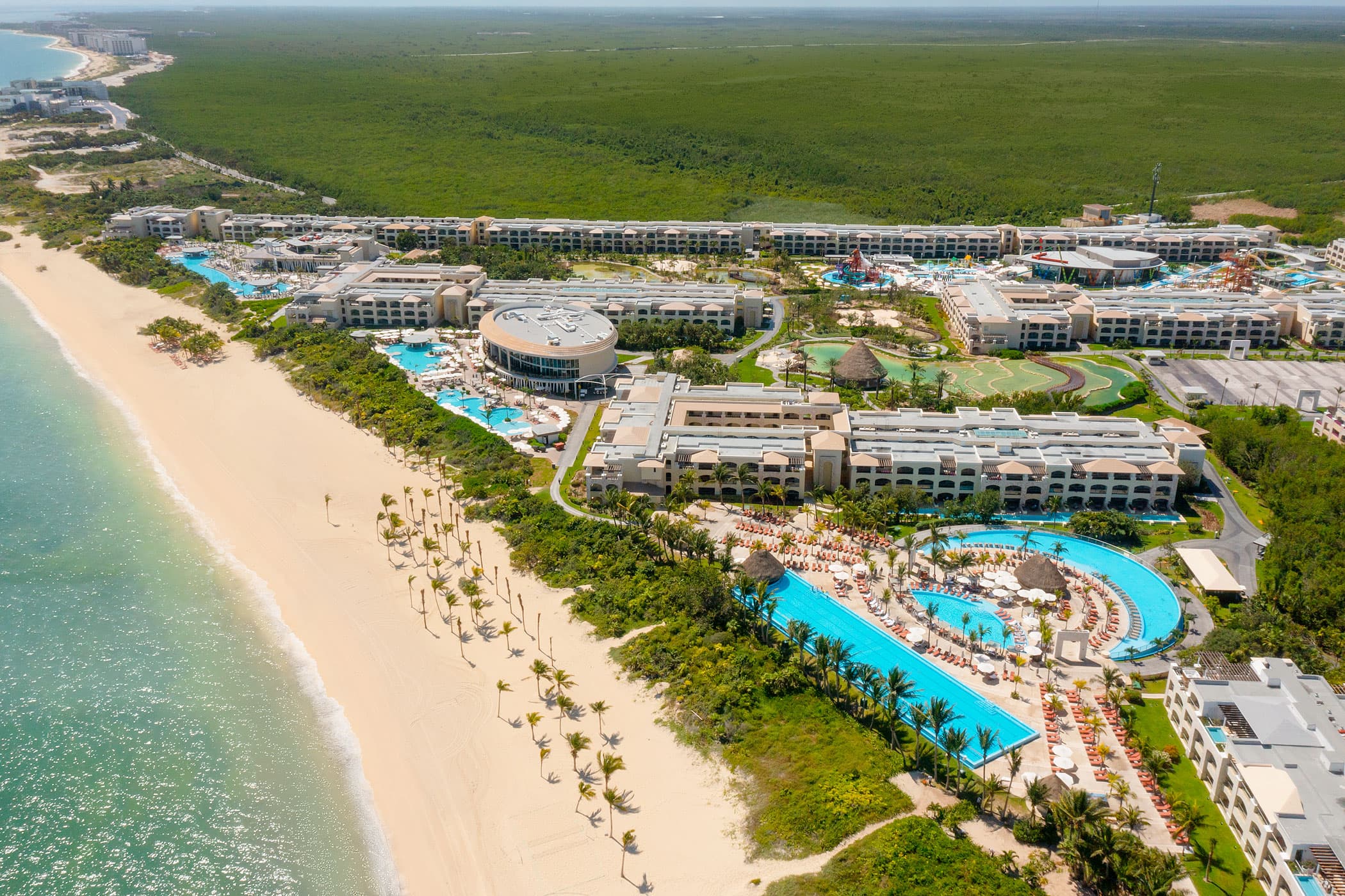
Palace Resorts · 2–500 guests
Moon Palace The Grand
The premium section of Moon Palace Cancun offering the most exclusive venues and highest-tier wedding packages for grand celebrations.
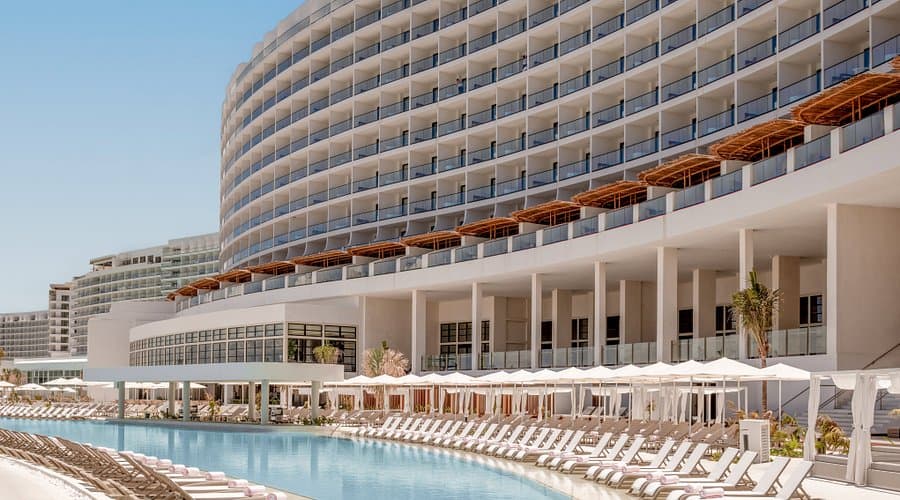
AIC Group · 2–600 guests
AVA Resort Cancun
A large modern resort in Cancun's hotel zone offering purpose-built South Asian wedding venues, sleek design, and ocean views.
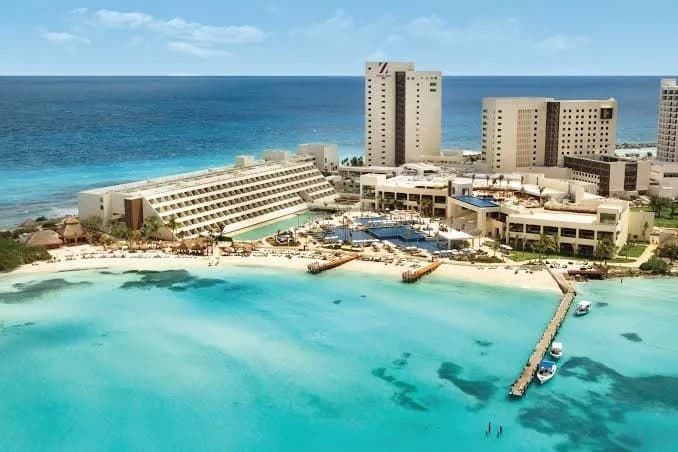
Hyatt Resorts · 2–250 guests
Hyatt Ziva Cancun
A premier all-inclusive resort on a peninsula in Cancun with both Caribbean and lagoon views, ideal for elegant mid-size weddings.
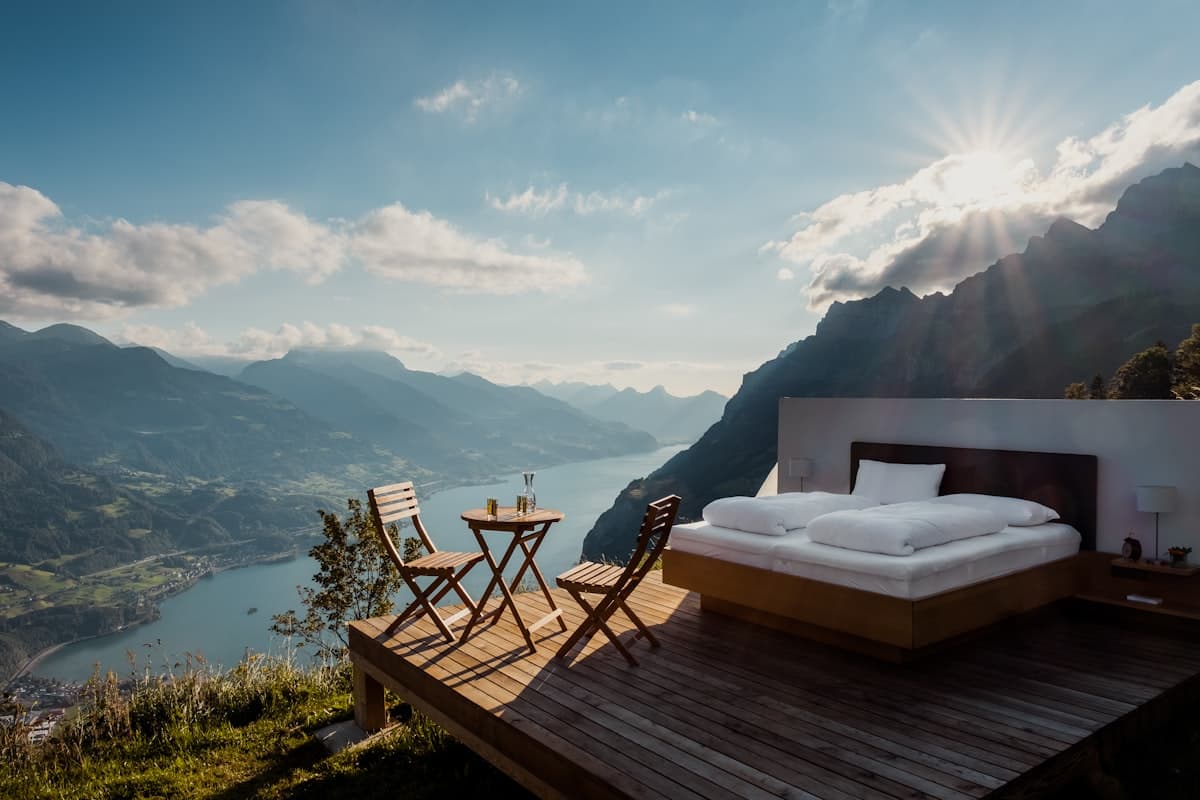
AIC Group · 2–600 guests
Hard Rock Hotel & Casino Punta Cana
One of the largest Hard Rock Hotels, this sprawling Punta Cana resort offers couples an extraordinary wedding experience with lavish venues and world-class entertainment.
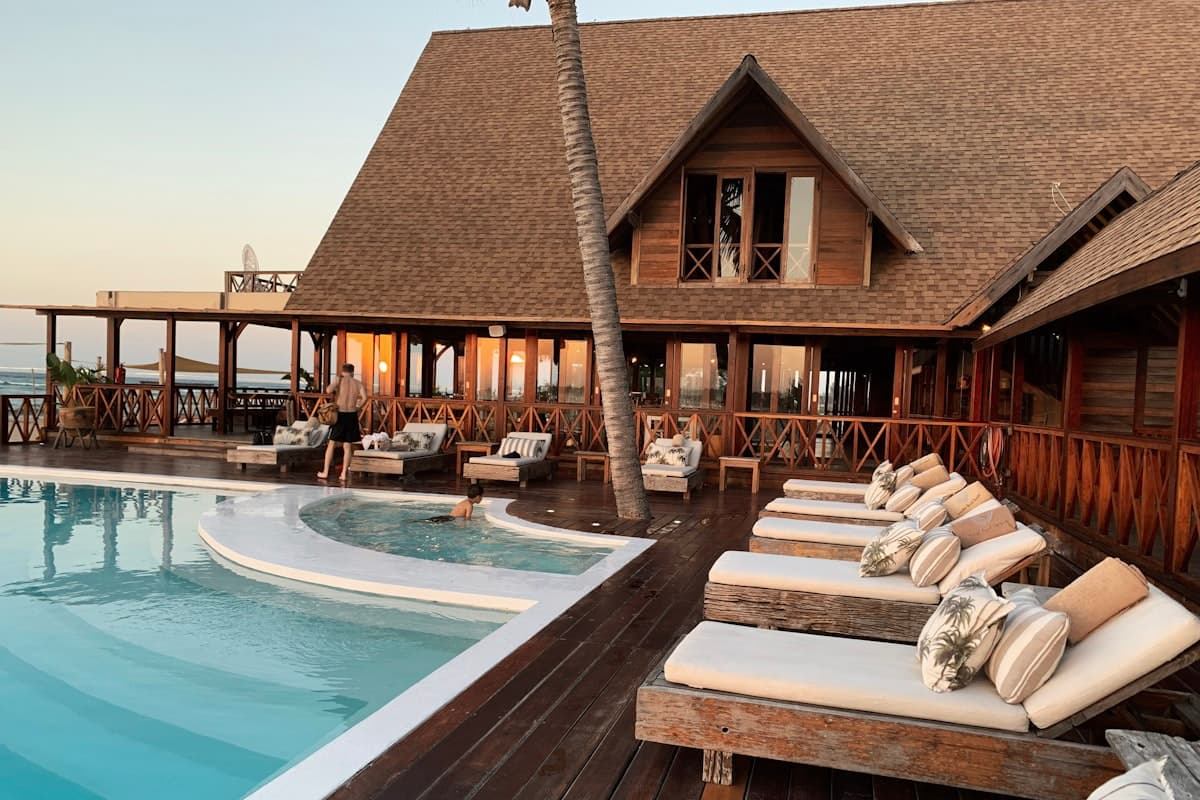
AIC Group · 2–500 guests
Hard Rock Hotel Riviera Maya
A vibrant all-inclusive resort on the Riviera Maya with multiple wedding venues, from beachfront celebrations to elegant ballroom affairs.
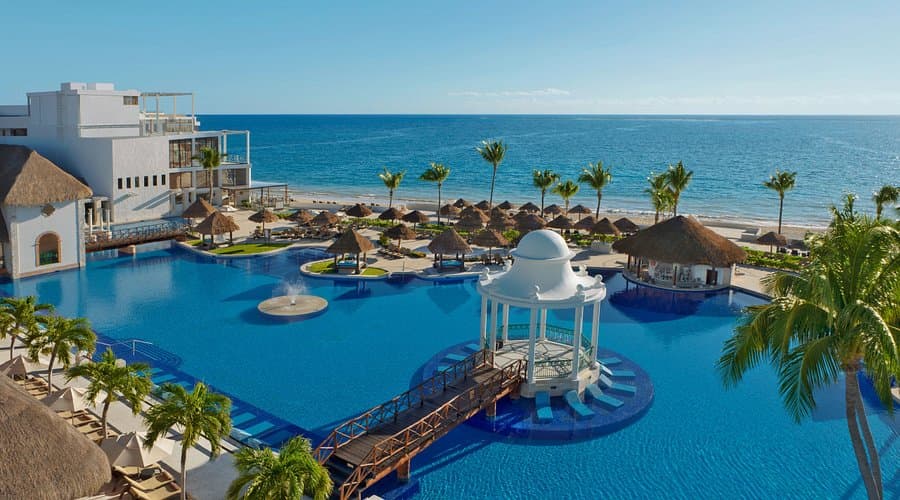
Dreams Resorts · 2–300 guests
Dreams Sapphire Resort & Spa
A family-friendly resort on the Riviera Maya offering vibrant wedding celebrations with dedicated South Asian ceremony support.
Real Weddings We've Placed
Interfaith weddings from our portfolio
Winter 2026 · 150 guests · 7 nights
150-Guest Sikh Anand Karaj
A 150-guest Anand Karaj at Costa Mujeres with a full multi-day Sikh wedding program.
Read the full story →
Fall 2026 · 100 guests · 3 nights
100-Guest Symbolic
A 100-guest symbolic destination wedding with a 45-room block over three nights.
Read the full story →
Fall 2026 · 25 guests · 4 nights
25-Guest Symbolic
A 25-guest intimate symbolic wedding over four nights at Moon Palace Cancun.
Read the full story →
Fall 2026 · 50 guests · 3 nights
50-Guest Symbolic
A 50-guest symbolic ceremony over three nights at Moon Palace Cancun.
Read the full story →
October 2026 · 100 guests · 4 nights
100-Guest Symbolic
A 100-guest symbolic destination wedding at Grand Palladium Costa Mujeres over four nights.
Read the full story →
November 2026 · 100 guests · 3 nights
100-Guest Symbolic
A 100-guest symbolic ceremony at Grand Palladium Costa Mujeres in a tighter 3-night format.
Read the full story →
Frequently Asked
Planning a interfaith destination wedding
Can we actually do two ceremonies in one day at a destination resort?
Yes — and it's the most common interfaith format. A morning religious ceremony (Anand Karaj, Vedic, Catholic mass) followed by an afternoon or sunset second ceremony, with the reception in the evening. The resorts that handle SA weddings well are equipped for this — they're already used to multi-event days.
How do we handle two officiants — do they meet?
Yes. We arrange a virtual briefing 2–3 weeks before the trip with both officiants, the couple, and our planning team. Sequencing, transitions between ceremonies, language and protocol overlap are all aligned in that meeting. By the wedding day, both officiants are working from the same run-of-show.
What's the most common interfaith combination you've planned?
Sikh-Hindu is the most common (a Sikh family marrying into a Hindu family or vice versa — both SA traditions, structurally compatible). Hindu-Catholic is the next-most-common, often with a Catholic ceremony in the morning and a Hindu Saat Phere at sunset. We've also planned Muslim-Hindu, Sikh-Christian, and Jewish-Catholic interfaith weddings.
How does the menu work for an interfaith wedding?
The menu reflects both traditions — typically a fully vegetarian or Jain ceremony reception, then a reception menu that includes halal, vegetarian, and standard non-vegetarian options. We brief the resort kitchen 4–6 weeks ahead with the full guest dietary breakdown so they can plan distinct prep lines.
Is one combined ceremony easier than two separate ones?
Sometimes — depends on the traditions involved. Two separate ceremonies give each tradition its full protocol, which families often prefer. One combined ceremony works well for Sikh-Hindu pairings (where the traditions share underlying structure) or for couples who want a symbolic ceremony that weaves elements from both. We help couples decide based on family preference and protocol depth.
Start Planning
Plan your interfaith wedding
Free consultation. We'll narrow the resort list to two or three that fit your guest count, dates, and ceremony needs — then handle every logistics step from contract through farewell brunch.
Request a QuoteFree consultation · No obligation